


Oțel inoxidabil 316L - Rezistent la coroziune
Jan 28, 2026
Lăsaţi un mesaj


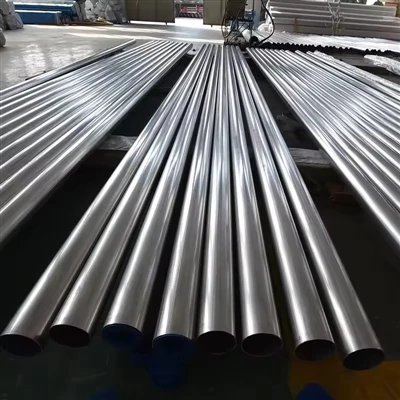
Aplicații grele de sudare
In general, stainless steel is susceptible to intergranular corrosion due to the precipitation of chromium carbides between the grains during welding. It can also occur when carbon diffuses into the body of stainless steel from oil, plastic tape, and other organic substances under heat. The process is known as carburization. However, due to low carbon content, 316L thrives under such environments by offering excellent resistance to intergranular corrosion. Therefore, fabricators choose 316L over 316 in heavy gauge (>6mm) componente sudate.
Iată un tabel de comparație concis al oțelului inoxidabil 316L cu alte tipuri comune de oțel inoxidabil:
| Tip din oțel inoxidabil | Rezistenta la coroziune | Rezistență la tracțiune | Principalele componente chimice | Costul tipic | Aplicații tipice |
| 316L | Foarte sus | Ridicat | 16-18% Cr, 10-14% Ni, 2-3% Mo,<0.03% C | Moderat | Dispozitive medicale, medii marine, procesare chimice |
| 304 | Ridicat | Moderat | 18-20% Cr, 8-12% Ni,<0.08% C | Mai jos | Utilaj bucatarie, lambriuri arhitecturale |
| 410 | Moderat | Ridicat | 11,5-13,5% Cr,<0.15% C | Mai jos | Tacâmuri, lame de turbine cu abur și gaz |
| 321 | Ridicat | Ridicat | 17-19% Cr, 9-12% Ni, 5x%C Ti | Superior | Componente aerospațiale, sisteme de evacuare |
Următoarea: Oțel inoxidabil 310 pentru echipamente medicale
Trimite anchetă